Your The Ugly Truth About Ozempic: Why You’re Losing Muscle, Face Fat & Looking Older
By Cem Nazim IFBB Pro, BSc, Dip BSU post
The Ugly Truth About Ozempic: Why You’re Losing Muscle, Face Fat & Looking Older
Ozempic was never meant to be a weight loss drug.
It’s a diabetes medication designed to help people with type 2 diabetes regulate blood sugar. That’s its job.
Somewhere along the line, people — and let’s be honest, big pharma — realized that at high doses, it crushes appetite. The “weight loss effect” is really just a side effect. But in a world obsessed with shortcuts, that side effect became a marketing gold mine.
Now we’ve got an entire wave of people abusing GLP-1 agonists like Ozempic and Wegovy, thinking they’ve found the holy grail of fat loss. Spoiler: you haven’t. And if you’re taking it long-term, at high doses, with no proper plan? You’re not just losing fat…
You’re losing muscle, face fat, and your youthful edge.
Ozempic: From Blood Sugar Support to Starvation Mode
Ozempic works by mimicking a peptide hormone called GLP-1, which:
Tells your brain you’re full
Slows digestion
Helps regulate insulin
Sounds helpful — in controlled, medically supervised use.
But here’s what’s really happening when it’s abused:
Extreme calorie drop: Many people end up eating 900–1200 calories a day — unintentionally.
Protein disappears from the diet.
Healthy fats vanish.
Micronutrients? Nonexistent.
Strength training? Forget it — there’s no fuel for it.
The body gets the memo: “We’re starving.” And when you’re in starvation mode, muscle becomes the fuel source. You burn through lean tissue faster than you think.
The Long-Term Damage Nobody Talks About
Your brain’s GLP-1 receptors were never meant to be hit with high-dose meds indefinitely. Over time, they down-regulate, meaning your body becomes less responsive.
That leads to:
Higher doses for the same effect
More side effects (nausea, fatigue, hair loss, even depression in some cases)
This isn’t supposed to be a forever drug. Used correctly, it’s short-term, paired with proper nutrition and resistance training, then phased out.
Instead, too many stay on it for months or years — with zero plan to come off and zero strategy to protect their health.
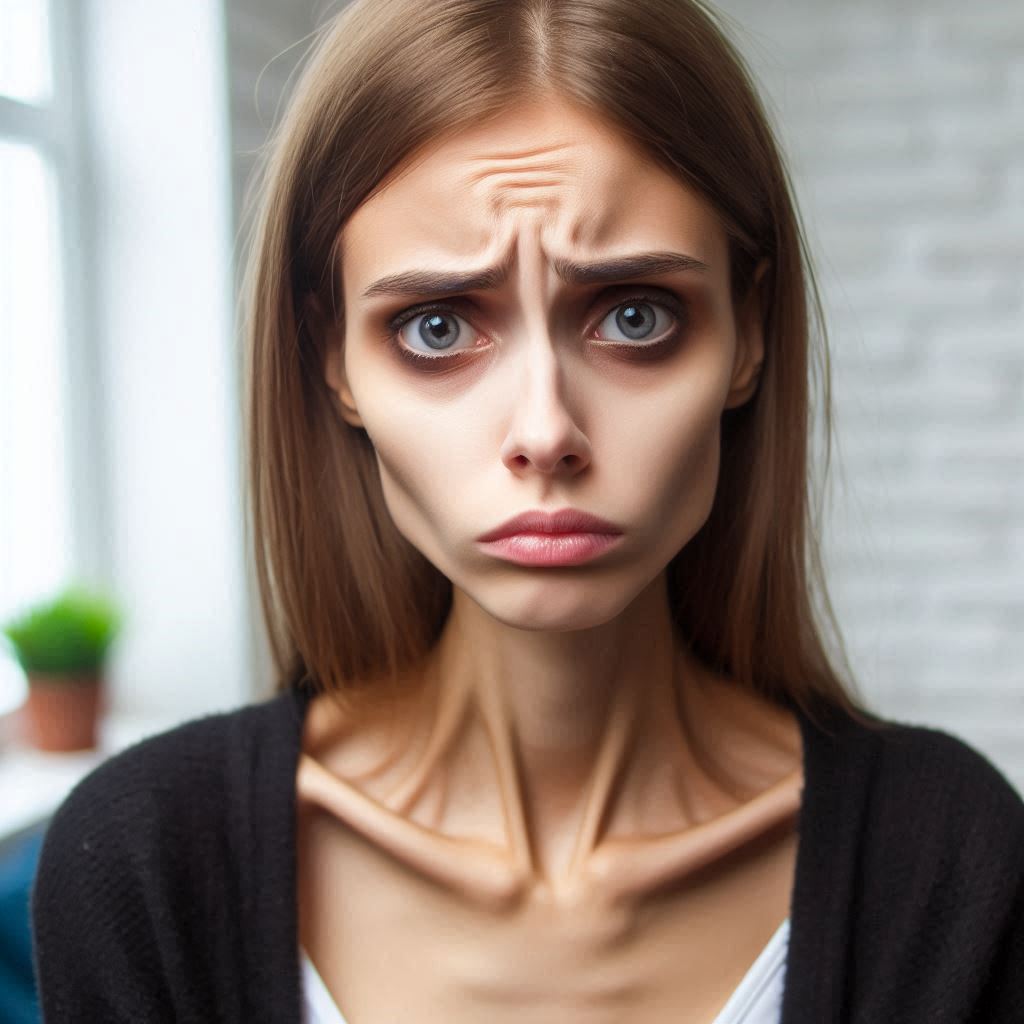
The “Ozempic Face” Problem
That hollow, gaunt look you’ve seen? That’s not just “fat loss.”
It’s:
Collagen breakdown
Muscle loss
Skin elasticity collapse
Here’s why it happens:
No protein = no muscle preservation
No healthy fats = hormone disruption (testosterone, estrogen, growth hormone plummet)
No micronutrients = poor collagen production, dull skin
No training stimulus = faster lean mass loss
You’re not getting leaner. You’re just shrinking in all the wrong places — face included. The result? You don’t look fit, you look frail.
The Smarter Alternative
If you’re under medical guidance, fine. But if you’re using Ozempic to starve yourself, it’s time for a reality check.
Here’s what you should be doing instead:
Follow a structured nutrition plan with enough protein, fats, and micronutrients
Lift weights 3–4 times a week to protect muscle
Treat Ozempic as a temporary tool, not a lifestyle
Work with a coach who understands how to protect your health while getting results
Final Word: Starvation Isn’t a Strategy
Getting lean isn’t about eating like a bird. It’s about fueling your body the right way so you keep muscle, keep your energy, and keep looking young.
If you’re serious about fat loss without wrecking your health — whether you’re a busy professional, a parent, or just done with quick fixes — I can help.
My coaching programs are built to get results without sacrificing your strength, your face, or your future health.